Pest Inspection Vs Termite Inspection: What's The Difference?
If you're buying a property, managing a rental, or just want peace of mind about what's living in your walls, you've probably come across two similar-sounding services: general pest inspections and termite inspections. They're not the same thing, and knowing the difference matters — booking the wrong one could mean a serious termite problem goes completely undetected.
What Is a General Pest Inspection?
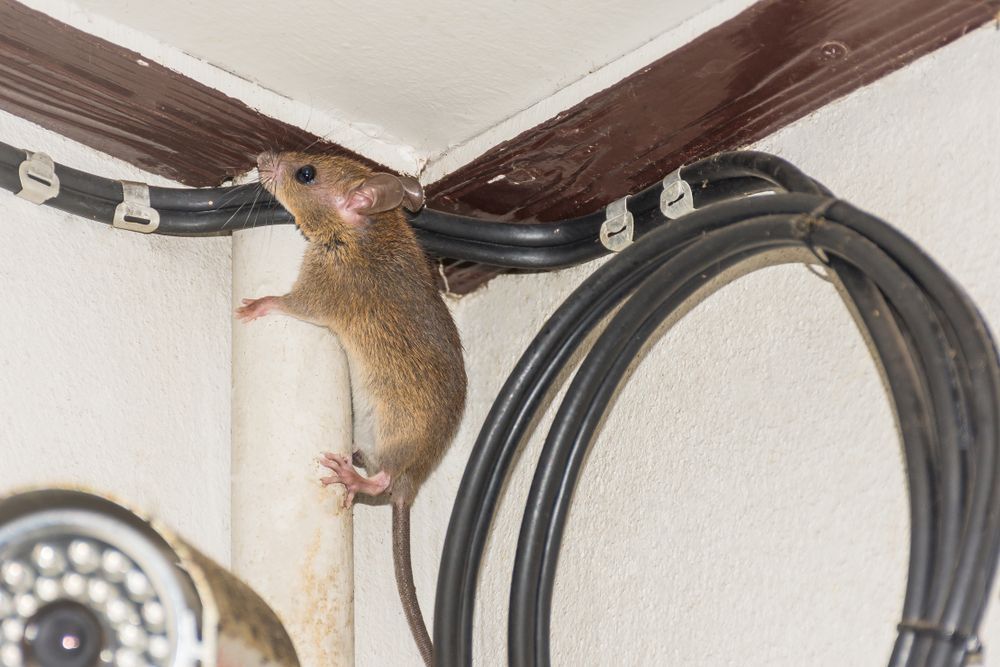
A general pest inspection covers the broader range of common household and commercial pests — think ants, spiders, cockroaches, rodents, and seasonal invaders that turn up throughout the year. In Albury, pest activity follows a fairly predictable seasonal pattern: spiders, ants and wasps tend to surge through the warmer months, while rodents and cockroaches become more of a concern as the weather cools.
A general inspection identifies which pests are present (or likely to become a problem), assesses entry points and conducive conditions around your property, and results in a tailored treatment recommendation. It's a broad-spectrum check designed to catch the everyday pest issues that affect most Albury homes and businesses at some point.
What Is a Termite Inspection?
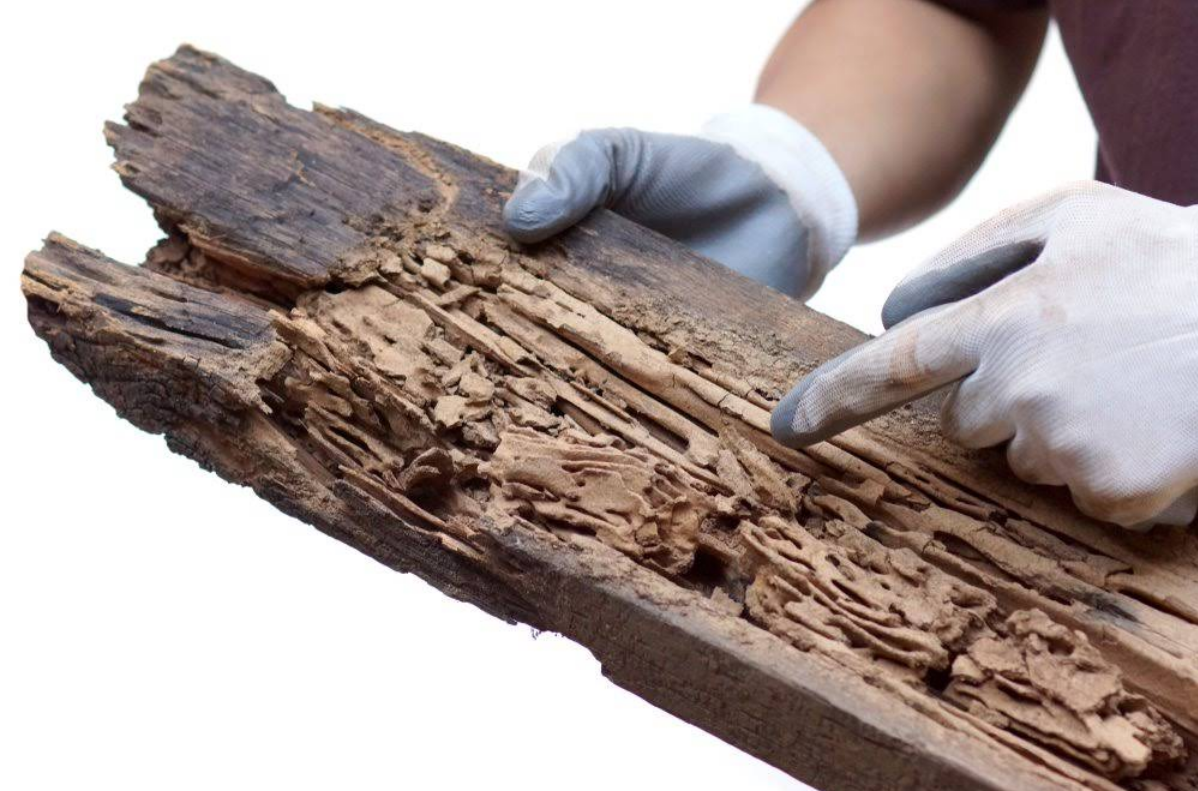
A termite inspection is a much more specialised, technical process focused entirely on detecting termite activity, damage and risk — not general pests. It goes well beyond a basic visual check: fully licensed technicians use moisture detection equipment and thermal imaging technology to identify concealed termite activity behind walls, under floors and inside cavities that a visual inspection alone simply can't reach.
A thorough termite inspection covers the roof void, sub-floor spaces, interior walls, external perimeter, garden timbers and outbuildings, building a complete picture of termite risk across the whole property rather than just confirming whether activity is visible on the surface. Given how much damage termites can cause while staying completely hidden, this level of technical detail is exactly why the two inspection types aren't interchangeable. A dedicated termite inspection focuses specifically on detecting activity and damage that general pest checks can miss.
Key Differences Between a Pest Inspection and a Termite Inspection
| General Pest Inspection | Termite Inspection | |
|---|---|---|
| Scope | Ants, spiders, cockroaches, rodents, wasps and other common pests | Termite activity, damage and entry points specifically |
| Method | Visual inspection and identification of pest activity/entry points | Visual inspection plus moisture meters and thermal imaging |
| Standard | General pest management practice | Conducted to AS 3660.2-2000 (and AS 4349.1-2007 for pre-purchase inspections) |
| Typical trigger | Ongoing pest activity, seasonal prevention, general peace of mind | Property purchase, periodic risk monitoring, suspected termite activity |
| Outcome | Treatment plan for identified pest(s) | Detailed report with photographic evidence and treatment/prevention advice |
Why Termite Inspections Are More Specialised in Albury
Termite risk in Albury isn't uniform across every property. Older homes, properties in more humid or wooded zones, and homes with garden timbers or unmanaged moisture sources all carry a genuinely higher termite risk than the average local property, which is exactly why a termite inspection needs to be far more thorough and technically equipped than a standard pest check.
This is also why termite inspections are conducted to specific Australian Standards (AS 3660.2-2000 for ongoing management, and AS 4349.1-2007 where a pre-purchase inspection is involved), rather than a general pest management approach. The equipment used — thermal imaging, moisture detection — is specifically suited to finding concealed activity that a homeowner, or even a general pest technician without termite-specific training, would likely never spot until damage was already extensive.
When Do You Need Each Type of Inspection?
A general pest inspection makes sense when you're dealing with visible pest activity, want seasonal prevention ahead of spring or summer, or simply want an annual check to keep common pests under control.
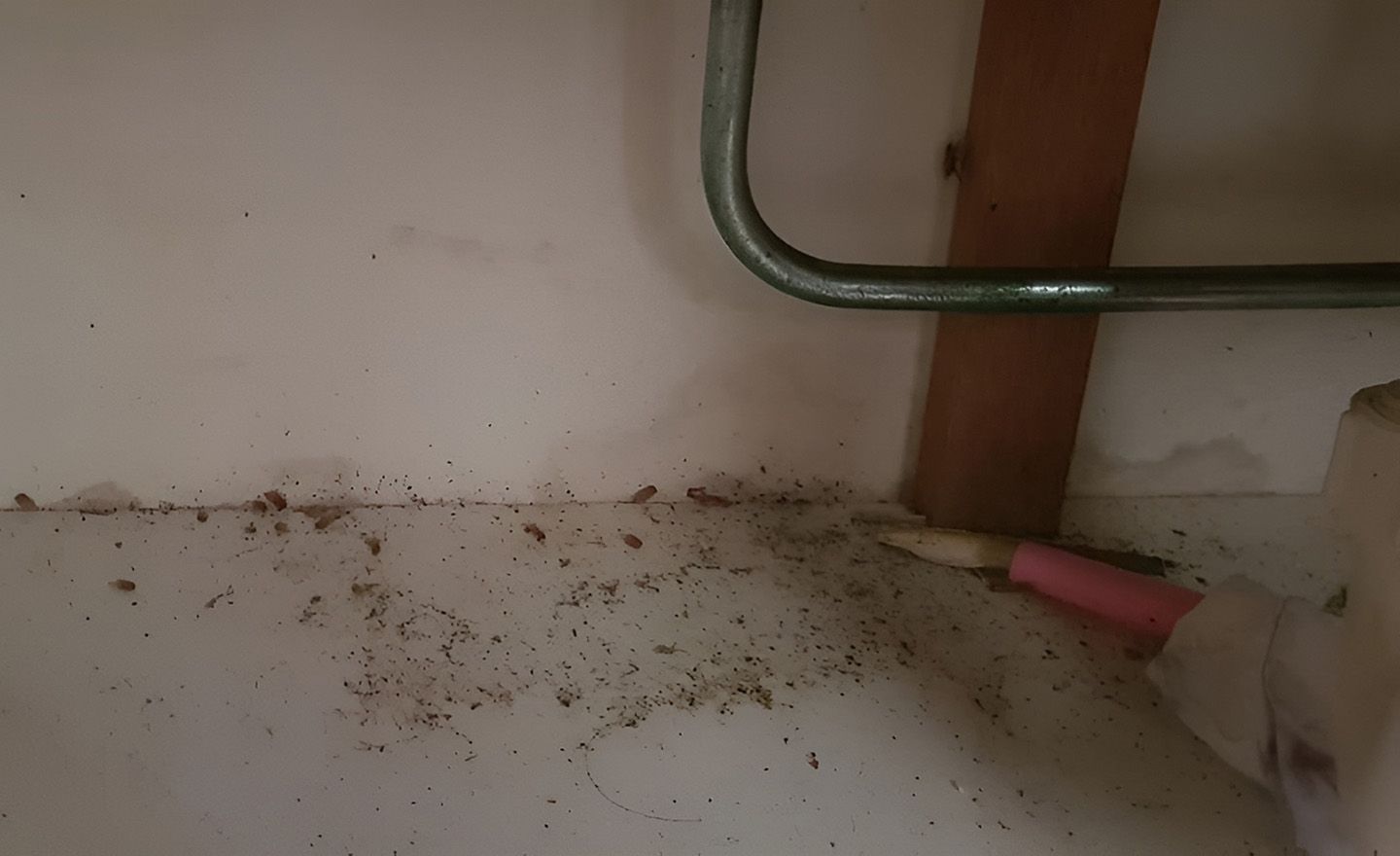
A termite inspection is essential before purchasing a property, as part of ongoing annual (or more frequent) monitoring for termite risk, or if you've noticed specific termite warning signs — discarded wings around doors and windows, small wood-coloured pellets (frass) that look like sawdust, or a hollow sound when timber is tapped.
As we've covered before, understanding
why termite inspections are essential before buying property can save Albury buyers from costly surprises that a standard building inspection alone might miss entirely. For buyers specifically, combining both checks into a single
building and pest inspection is often the most efficient option before settlement, covering the property's structural condition alongside termite and general pest risk in one process.
What to Expect During a Professional Inspection with Border Pest Control
Whichever inspection you book, our fully licensed technicians assess all accessible areas of your property — interiors, exteriors, sub-floor spaces and roof voids — and provide a clear, documented outcome rather than a vague verbal summary. For termite inspections specifically, this includes a detailed report with photographic evidence and professional advice on any treatment or prevention needed, backed by our use of moisture meters and thermal imaging to catch what's not visible to the naked eye.
If you're unsure which service you need,
Border Pest Control's
pest control Albury team can guide you through the right inspection option based on your specific situation, whether that's a general pest concern, a pre-purchase check, or ongoing termite monitoring.
How Often Should You Book an Inspection?
For termite inspections specifically, it's generally recommended to book a professional check at least once a year, with properties in Albury's more humid or wooded zones benefiting from six-monthly inspections given the elevated risk. Regular monitoring gives you the chance to catch a developing problem early, well before it becomes a significant (and expensive) infestation.
General pest inspections are typically booked as needed — when you're noticing activity, heading into a high-risk season, or simply want an annual check as part of routine home maintenance.
FAQs
Can one inspection cover both general pests and termites?
Not typically as a single combined check — termite inspections require specific equipment and standards (thermal imaging, moisture detection, AS 3660.2 compliance) that go beyond a general pest inspection's scope. However, a building and pest inspection can cover both structural condition and termite/pest activity together, particularly useful for property buyers.
How much does a termite inspection cost in Albury?
Pricing generally depends on the size and complexity of the property, since larger homes or properties with more sub-floor and roof void access take longer to properly assess. It's best to get a specific quote based on your property.
What are the warning signs I need a termite inspection urgently?
Discarded termite wings near doors and windows, small wood-coloured pellets (frass) that resemble sawdust, and a hollow or papery sound when tapping timber are all signs worth acting on immediately rather than waiting for your next scheduled inspection.
Do I need a termite inspection if I've never seen any termites?
Yes — this is exactly why professional inspections matter. Termite activity is frequently concealed behind walls, under floors, or within roof voids, meaning a property can have an active, damaging infestation with no visible signs to the untrained eye.
Is a termite inspection required before buying a house in Albury?
While not always a strict legal requirement, it's strongly recommended and often expected as part of due diligence before purchase, since termite damage can be extensive, expensive to repair, and easy to miss without proper equipment and expertise.