Common Mistakes To Avoid When Dealing With Termites
Finding termites at your property can be concerning, but acting too quickly can create further problems. Spraying visible termites, disturbing the affected area or attempting a DIY termite treatment without knowing the extent of the activity can make the problem harder to assess. Knowing what not to do can help you avoid these mistakes and understand when to seek professional termite treatment in Albury.
1. Disturbing Termites as Soon as You Find Them
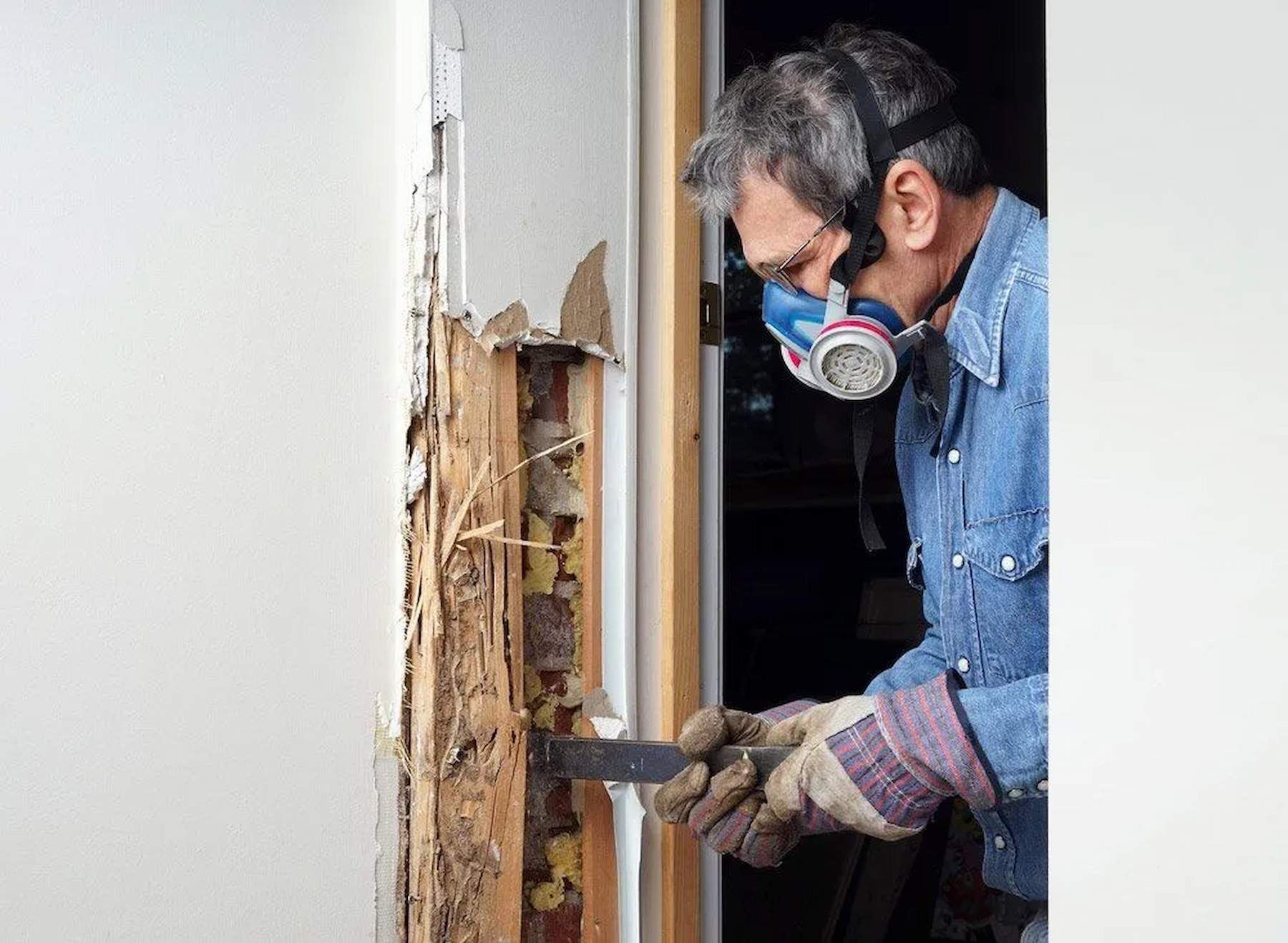
Finding termites can make you want to spray them, remove damaged timber or pull apart the area to see how far they have spread. While this may seem helpful, disturbing termite activity before it has been properly assessed can make the situation more difficult to inspect.
The termites you can see may only be a small part of the activity. Other termites can remain concealed within timber, wall cavities or other areas of the property.
If you find suspected termite activity:
- Leave mud tubes and affected timber intact where possible
- Avoid spraying household insecticide over the area
- Do not start pulling apart walls or timber unnecessarily
- Make a note of where you found the activity
- Arrange a professional termite inspection
Leaving the area relatively undisturbed allows a pest technician to inspect the activity and get a clearer picture of the problem.
2. Assuming the Termites You See Are the Whole Problem
Seeing termites in one part of your property does not necessarily mean that is the only area affected. Termites can remain hidden and may travel through concealed areas before obvious signs of termite damage appear.
This is why simply treating the spot where you found them can leave other activity undetected. Some visible damage can also have causes unrelated to termites, so it is important to confirm what you are dealing with before deciding on a treatment.
A professional termite inspection in Albury can check accessible areas of the property for termite activity, damage and conditions that may increase the risk of an infestation.
Rather than making assumptions based on one visible area, an inspection can provide a clearer understanding of what is happening across the property.
3. Relying on DIY Termite Treatment
A quick trip to the hardware store may seem like an easy solution when you find termites. The problem is that a DIY termite treatment may only affect the termites or areas you can reach.
Termite activity can extend beyond what is immediately visible. Without knowing where the termites are coming from or how widespread the problem is, treating one area may not address the full infestation.
DIY treatment can also create other problems if it:
- Focuses only on visible termites
- Misses concealed termite activity
- Disturbs the affected area before an inspection
- Delays professional assessment and treatment
- Creates the impression that the problem has been resolved
The right treatment depends on what is happening at the property, including where termite activity is found and how extensive it is.
Having the problem properly assessed first can help determine the most suitable approach rather than relying on a treatment aimed only at the termites you can see.
4. Ignoring Early Termite Signs
Waiting until you see major termite damage can give an infestation more time to develop. Because termites often remain concealed, the early warning signs may be less obvious than broken or badly damaged timber.
Common termite signs can include:
- Mud tubes around foundations or other areas
- Timber that sounds hollow when tapped
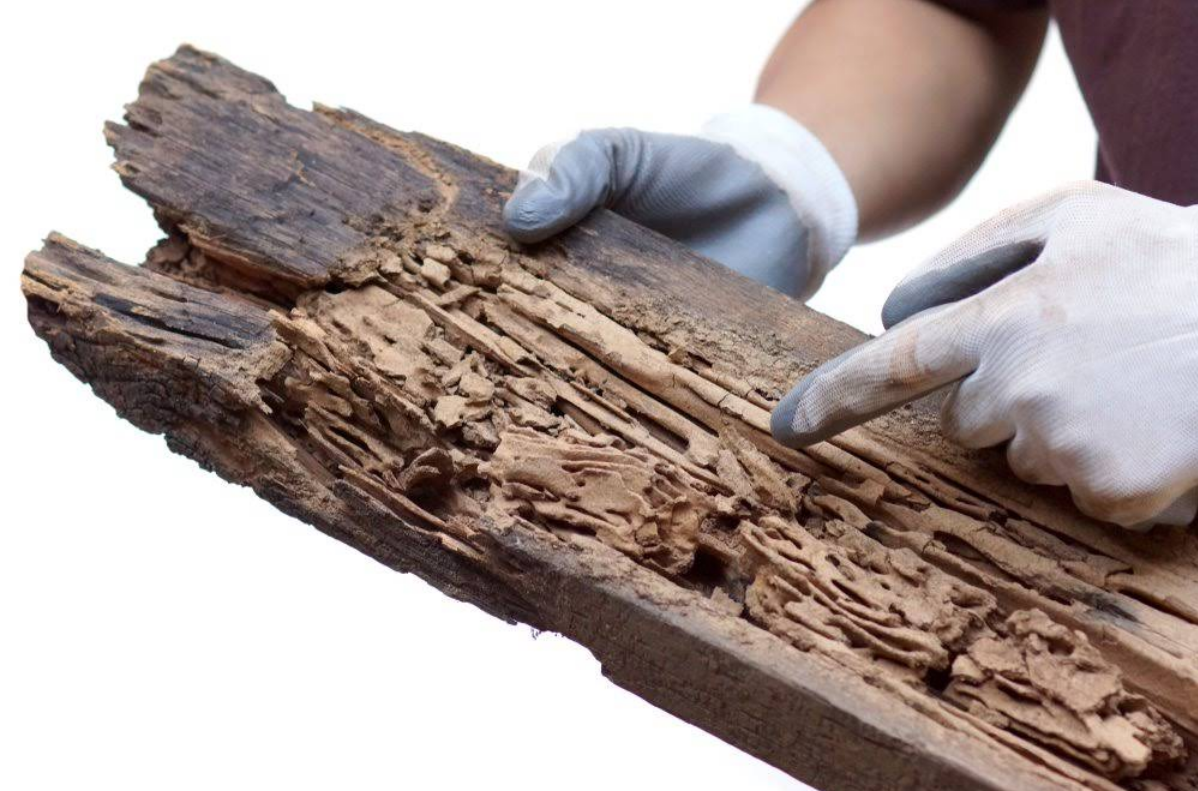
- Damaged or weakened timber
- Discarded termite wings near doors or windows
- Changes to walls, paint or wallpaper
- Small holes or unusual marks in timber
Not every change around a property automatically means termites are responsible. However, suspicious signs are worth investigating rather than ignoring.
Knowing how to recognise early signs of termite activity can help you identify when it may be time to arrange a professional inspection before further damage develops.
5. Removing Damaged Timber Too Soon
Damaged timber can look like something that needs to be removed immediately, particularly if you are worried about termites spreading. However, starting repairs before the area has been inspected may disturb termite activity and remove useful evidence.
There is also an important difference between repairing termite damage and dealing with the termites themselves. Replacing a damaged piece of timber does not tell you whether active termites remain elsewhere.
Before beginning non-urgent repairs, it is useful to establish:
- Whether active termites are present
- Where termite activity has been found
- Whether other areas need to be inspected
- What treatment may be required
Once the termite problem has been properly assessed, you can make more informed decisions about treatment and any repairs the property may need.
6. Assuming a Concrete Slab Keeps Termites Out
Having a concrete slab does not mean a property is automatically protected from termites. Termites do not need to travel directly through solid concrete. They can find their way through small cracks, joints and gaps around a building to reach timber and other materials.
This can make some termite activity difficult to notice from the surface.
Keeping accessible areas around the building visible can make it easier to spot potential termite signs. It is also worth avoiding conditions that hide possible entry points, such as storing materials directly against the building.
The type of foundation is only one part of termite risk, so properties with concrete slabs can still benefit from regular inspections.
7. Overlooking Conditions Around the Property
Another mistake is focusing entirely on the termites without looking at conditions around the property that may contribute to termite activity.
Moisture is particularly important. Leaking plumbing, poor drainage and damp areas can create conditions that are more favourable to termites. Timber stored close to the building can also make inspection areas harder to see.
Simple property maintenance can include:
- Repairing leaking pipes and taps
- Addressing drainage problems around the property
- Keeping subfloor areas ventilated and accessible
- Avoiding storing firewood against the building
- Removing unnecessary timber and old stumps
- Keeping accessible areas around the building clear for inspection
These measures do not replace professional treatment when termites are already present. They can, however, form part of ongoing termite prevention and make potential problems easier to identify.
8. Treating the Problem Without Understanding Its Extent
One of the biggest mistakes you can make is choosing a treatment before knowing how widespread the termite activity is. The termites you can see may only be part of the problem, with further activity hidden within timber or other areas of the property.
Every termite problem is different. Where the termites are located, how they are entering the property and the extent of any damage can all affect the treatment required.
A professional inspection can identify termite signs, assess visible termite damage and help determine the most appropriate next steps.
Before arranging
termite treatment in Albury, having the property properly assessed can help ensure the treatment responds to the problem identified rather than focusing only on the termites you happen to see.
Take the Right Steps When You Find Termites
When you discover termites, avoiding quick fixes can make it easier to understand the extent of the problem and determine the right next steps. Leaving suspected activity undisturbed and seeking professional advice can help prevent common mistakes that may complicate termite management.
Border Pest Control provides termite inspections, treatment and management for local properties. If you have noticed termite signs or are concerned about possible activity,
contact our team to arrange an inspection and discuss termite treatment in Albury.
Frequently Asked Questions
What should you do first if you find termites?
Avoid unnecessarily disturbing the area. Spraying visible termites or pulling apart mud tubes and damaged timber may interfere with the activity before it can be properly assessed. Make a note of where you found the termites and arrange a professional inspection to determine the next steps.
Can DIY termite treatment get rid of an infestation?
A DIY termite treatment may affect termites that come into direct contact with the product, but the activity you can see may not represent the full infestation. A professional inspection can help identify the extent of the problem before an appropriate treatment is selected.
What are common signs of termite damage?
Possible signs of termite damage include hollow-sounding or weakened timber, mud tubes, discarded wings and changes to walls, paint or wallpaper. Because some of these signs can have other causes, a professional inspection can help determine whether termites are responsible.
Should termite-damaged wood be removed immediately?
Unless the damaged timber presents an immediate safety concern, it can be useful to have suspected termite activity inspected before removing it. Starting repairs too soon may disturb the area or remove evidence that helps with the assessment. Treatment and building repairs can then be considered based on what is found.