Seasonal Pest Activity in Albury: What to Expect Throughout the Year
Pest activity in Albury follows a predictable seasonal cycle: spiders, ants and wasps surge through the warmer months, while rodents and cockroaches push indoors once temperatures drop. Understanding this pattern is the foundation of any good guide to seasonal pest control in Albury, because it lets you book preventative treatment before pests establish themselves – not after the damage is done.
Albury's climate makes this cycle particularly pronounced. Hot, dry summers, cold winters and a mix of urban, riverside and rural properties mean the region sees genuine seasonal shifts in pest pressure rather than a steady year-round hum. Here's what to watch for in each season, and when to act.
What Pests Become Active in Albury During Spring?
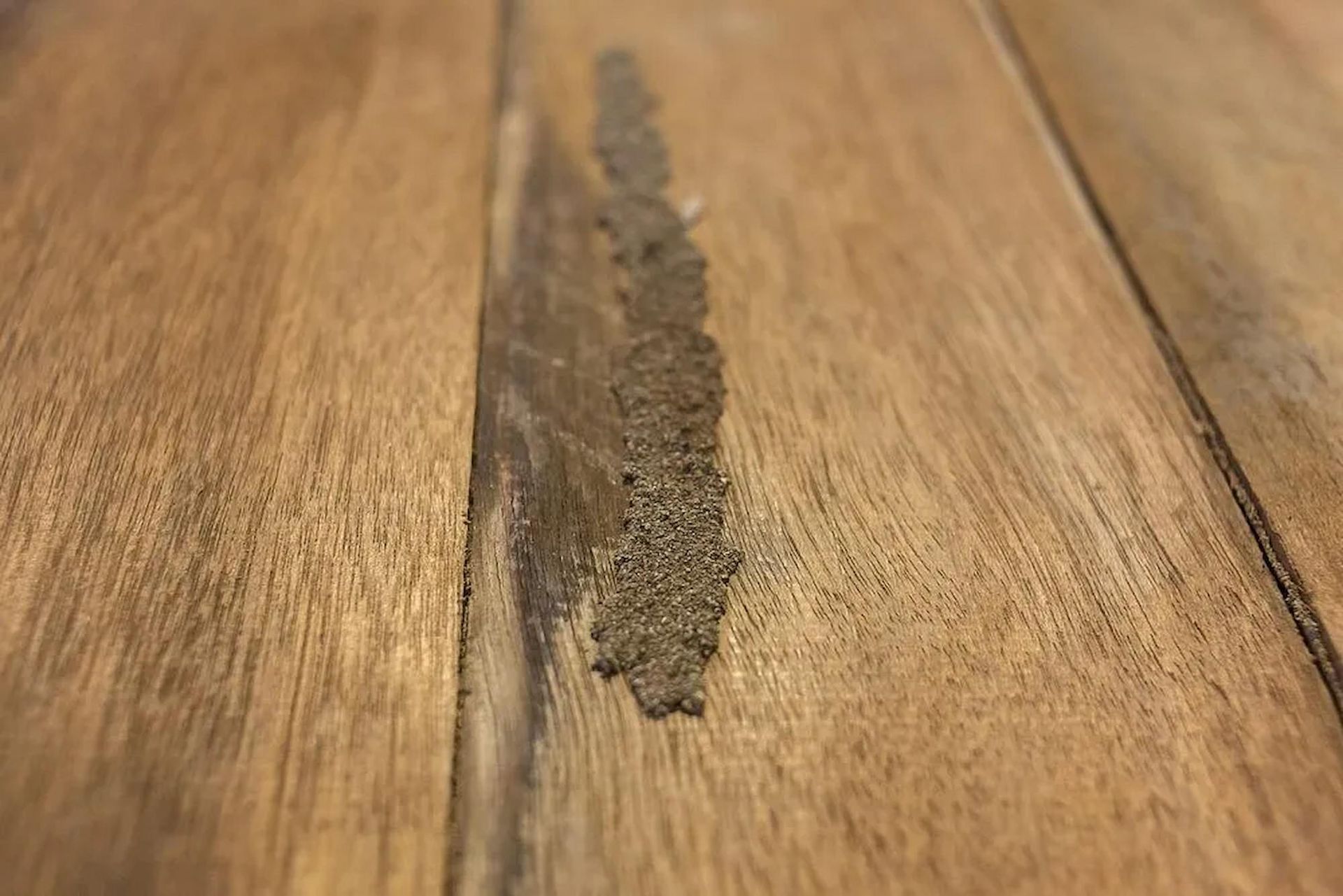
Spring is when the pest calendar resets. As soil temperatures rise, termite colonies ramp up foraging activity and alates – winged reproductive termites – begin swarming to establish new colonies. If you see discarded wings on windowsills or around lights, that's a strong sign termites are active nearby, and it's worth booking a professional inspection or termite treatment Albury property owners can rely on before the colony matures.
Spring also brings out ants, which begin trailing into kitchens in search of food, and bees and wasps, which start scouting nesting sites in wall cavities, eaves and roof voids. A nest discovered in September is far easier and safer to remove than one discovered in January, when it may house thousands of insects.
Some of the
most destructive pests found in Albury homes become far more active once the weather shifts, which is why spring is widely considered the best season for a thorough property inspection.
Why are Pests More Active in Summer?
Pests are more active in summer because heat accelerates insect metabolism, breeding cycles and food demand. Warmer temperatures mean insects develop from egg to adult faster, so populations that were modest in spring can explode by December and January. At the same time, hot dry conditions drive pests towards the reliable water sources your home provides – dripping taps, pet bowls, irrigated gardens and air conditioning condensation.
In Albury, summer typically brings:
- Spiders – including webbing spiders around eaves & outdoor areas, & ground-dwellers moving through gardens
- Ants – foraging intensifies, and colonies may relocate indoors to escape extreme heat
- Flies & mosquitoes – particularly around the Murray River corridor & irrigated properties
- European wasps – nests reach peak size & aggression in late summer
- Cockroaches – warm nights push outdoor species indoors in search of food & moisture
Summer storms add another layer. Rainfall isn't the only seasonal trigger, but pest problems that follow heavy rain often overlap with these broader seasonal patterns. Flushed-out ants, displaced rodents and spikes in mosquito breeding can all follow a wet week in an otherwise dry summer.
Consider a Lavington homeowner who notices a few ants on the kitchen bench in November and decides to wait it out. By February, the trail has become a highway, the colony has nested in a wall cavity and what would have been a straightforward barrier treatment in spring now requires a more involved approach. That's the cost of reacting rather than preventing.
What Pests Move Indoors During Albury's Colder Months?
Autumn and winter shift the problem from outdoors to indoors. As overnight temperatures in Albury fall, pests that thrived outside all summer start looking for warmth, shelter and food inside your home or business.
The main culprits during Albury's colder months are:
- Rodents – rats and mice are the classic winter invaders, squeezing through gaps as small as a coin to nest in roof voids, wall cavities and sub-floor areas. Beyond contaminating food, they gnaw on electrical wiring, which creates a genuine fire risk.
- Cockroaches – drawn to the warmth of kitchens, hot water systems and appliances.
- Spiders – many species move into sheds, garages and quiet indoor corners as the weather cools.
- Silverfish and carpet beetles – thrive in the undisturbed, heated indoor environments of winter, feeding on paper, fabrics and stored items.
Autumn is the transition window. Sealing entry points, clearing vegetation away from external walls and booking a preventative treatment in March or April can stop the winter migration before it starts. Once rodents have established a nest in your roof void, removal becomes a longer process involving baiting, monitoring and proofing.
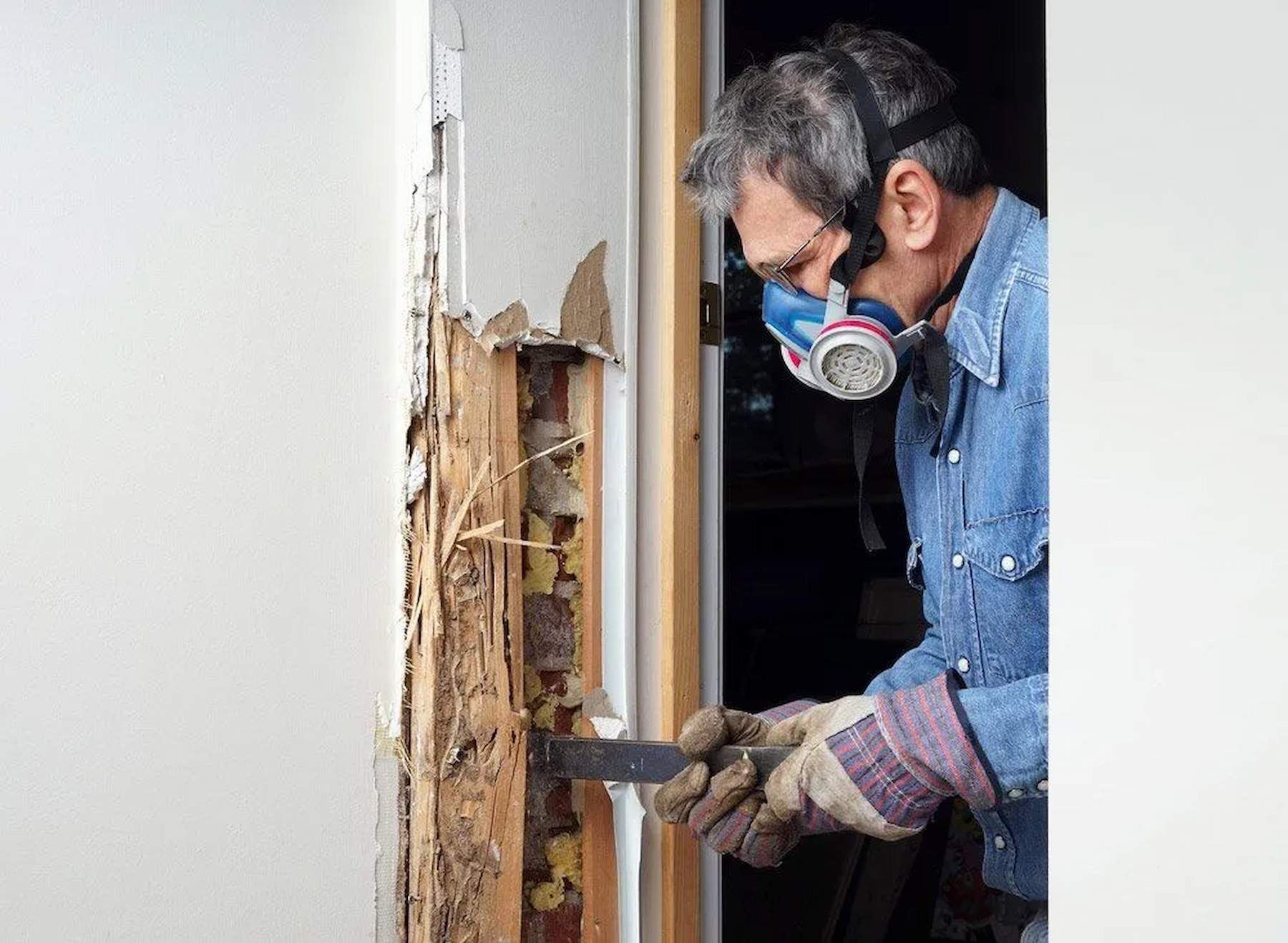
It's worth noting that termites don't take winter off. Albury's winters slow them down, but established colonies keep feeding year-round, which is why annual termite inspections matter regardless of season.
When is the Best Time of Year to Book Preventative Pest Control?
For most Albury properties, the ideal windows are early spring (September–October) and early autumn (March–April). A spring treatment gets ahead of the summer breeding surge, creating a protective barrier before spider, ant and wasp populations peak. An autumn treatment intercepts rodents and cockroaches before they move indoors for winter.
If you only book one treatment per year, spring is generally the priority. It addresses the broadest range of pests at the point their populations are about to expand. Properties with a history of specific problems, such as recurring rodent activity or previous termite damage, benefit from a twice-yearly approach or an ongoing maintenance plan.
Booking pest control in Albury ahead of each season is far cheaper than treating an active infestation. Preventative treatments are quicker, less invasive and typically sit at the lower end of the cost range, while established infestations – particularly termites and rodents – can require multiple visits, structural repairs and ongoing monitoring.
Border Pest Control has serviced Albury and surrounds since 2005, with licensed technicians certified under AS 4349.1 and AS 3660.2, warranty-backed treatments using Termidor and Trelona, and free quotes for homes, businesses and rural properties. We also provide pest control Wodonga residents can access on the same seasonal schedule, so properties on both sides of the border stay protected year-round.
If you've noticed pest activity picking up this season, contact our team for a tailored inspection.
Frequently Asked Questions
Why are pests more active in summer in Albury?
Heat speeds up insect breeding cycles and metabolism, so populations grow faster in summer. Albury's hot, dry conditions also push pests towards homes in search of water and shade, while warm nights drive cockroaches and spiders indoors. This is why summer typically sees the highest pest activity of the year.
What pests come inside during winter in Albury?
Rodents are the most common winter invaders, followed by cockroaches, spiders and silverfish. All are seeking warmth, shelter and food as outdoor temperatures drop. Sealing entry points and booking a preventative treatment in autumn is the most effective way to keep them out.
When should I book preventative pest control in Albury?
Early spring (September–October) and early autumn (March–April) are the ideal windows. Spring treatments get ahead of the summer breeding surge, while autumn treatments stop rodents and cockroaches moving indoors for winter. If you only book once a year, spring generally offers the broadest protection.
Are termites active all year round in Albury?
Yes. While cold weather slows termite activity, established colonies continue feeding through winter, often hidden inside walls or sub-floor timbers. Annual termite inspections are recommended regardless of season, with spring being the peak period for swarming and new colony formation.
Does heavy rain affect pest activity in Albury?
Yes. Rainfall can flush ants and rodents out of their usual harbourages and into homes, and standing water creates mosquito breeding sites. These rain-driven spikes often overlap with broader seasonal patterns, so a wet spell in summer can compound already-high pest pressure.
How often should Albury homes have professional pest control?
At least once a year for most properties, according to industry best practice. Homes in high-risk areas, properties with previous termite activity or businesses in food-related industries may need treatments every six months or an ongoing maintenance plan.